


















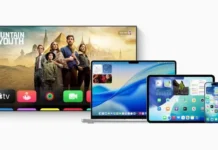

As budgets tighten globally, consumers are becoming more selective not less digital.

New data shows a clear shift in consumer behavior: people are cutting back on discretionary or impulsive spending, but they’re still prioritizing technology that improves convenience, connectivity, and everyday efficiency.
This isn’t contradiction.
It’s intention.
A More Careful Consumer Has Emerged!
Economic pressure has reshaped how consumers think about money. Rising living costs, inflation fatigue, and uncertainty about the future have pushed households into a more deliberate spending mindset.
According to Deloitte’s Consumer Tracker, many consumers report lower confidence in the economy yet they continue to spend where value is clear and immediate. Tech purchases are no longer impulse-driven; they’re evaluated based on usefulness and long-term impact.
Consumers aren’t closing their wallets, they’re questioning what truly earns a place in them.
(Source: Deloitte Consumer Tracker)
Why Tech Still Wins in a Tight Economy
Despite tighter budgets, technology remains one of the most resilient spending categories. But what people buy and why has changed.
1. Convenience Is the New Luxury:
Consumers are prioritizing devices and services that simplify life:
Smartphones with higher storage and longer battery life.
Smart home devices that automate daily tasks.
Wearables that track health and productivity.
A NielsenIQ report highlights growing demand for multifunctional tech products that do more with less and justify their cost through everyday utility.
If it saves time, reduces stress, or improves daily routines, consumers are willing to pay for it.
(Source: NielsenIQ Tech Durables Outlook)
2. Connected Living Is Now a Baseline Expectation.
Smart, connected ecosystems are no longer niche. From homes and cars to payments and entertainment, consumers expect their devices to “talk” to each other.
Research shows that households adopting connected technologies are more likely to:
Use digital wallets and contactless payments
Maintain multiple subscriptions
Stay loyal to ecosystems that feel seamless
In other words, connectivity isn’t just a feature it’s a lifestyle upgrade. According to PYMNTS Intelligence.
Services Are Holding Strong — Even When Hardware Slows.
While some consumers delay upgrading big hardware items, digital services and subscriptions remain resilient.
Streaming platforms, cloud storage, productivity tools, and AI-powered services are increasingly viewed as essentials rather than optional expenses. Many consumers report maintaining or slightly increasing spending on services that support work, learning, or entertainment at home.
This reflects a deeper truth:
software and services now shape daily life more consistently than devices alone.
(Source: McKinsey Consumer Sentiment Research)
Value Has Replaced Hype
The era of buying tech “just because it’s new” is fading.
Today’s buyers ask:
Will this replace something else I already use?
Will it last longer than my last upgrade?
Does it integrate with what I already own?
According to NielsenIQ, affordability and clear usefulness are the top reasons consumers try new tech products — far outweighing brand hype or trend appeal.
Consumers are no longer impressed by features — they’re impressed by outcomes.
The Rise of Hybrid Buying Behavior
Another notable shift is how people shop.
Consumers increasingly:
Research online
Compare reviews and prices digitally
Complete purchases in-store or vice versa
This hybrid behavior shows that technology doesn’t replace physical experiences; it enhances them. Seamless transitions between digital and offline touchpoints now influence trust and purchasing decisions. According to PYMNTS Retail Behavior Study)
What This Means for Tech Brands and Businesses
For companies operating in the consumer tech space, the message is clear:
✅ Build for real-life problems
Not novelty. Not vanity. Real daily friction.
✅ Emphasize value, not volume
Consumers want fewer devices that do more — and do it well.
✅ Design for ecosystems
Products that integrate smoothly into existing workflows and platforms will outperform standalone tools.
Final Thought: Tech Is Still a Priority Just a Smarter One
Consumers haven’t stopped spending on technology.
They’ve stopped spending carelessly.
In a tighter economy, tech that improves convenience, supports connected living, and delivers clear value continues to earn its place not as a luxury, but as an essential part of modern life.